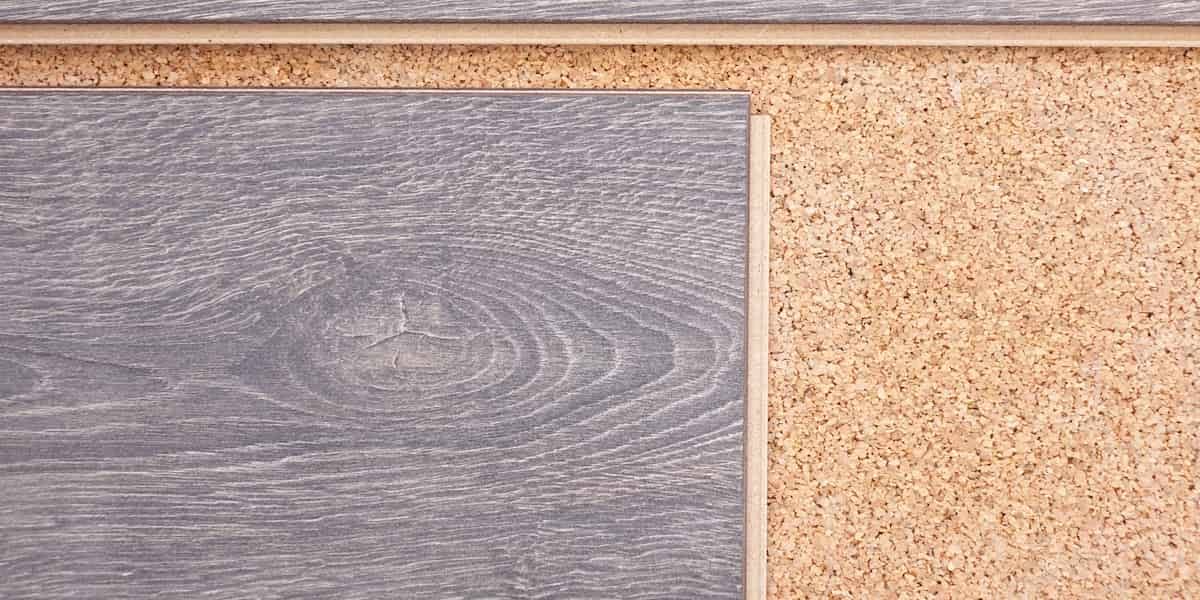
Cross section view showing layered flooring with cork underlayment and wood plank illustrating the best subfloor material for stable installation

Best Subfloor Material: Comparing Plywood, Concrete, and OSB

If you’re planning a commercial flooring project, there’s one important step that often gets overlooked: the subfloor. While it may not be visible once the flooring is installed, choosing the best subfloor material can make a huge difference in how long your flooring lasts and how good it looks and feels. In this blog, we’ll
Read More
A worker is installing fresh subfloor after a subfloor replacement job for a residential home.

Subfloor Replacement: Who to Hire and What to Expect

Subfloor replacement is a crucial aspect of maintaining the integrity and safety of any building, whether it’s a commercial property or a residential home. If you are a business owner or homeowner in need of subfloor replacement, it’s essential to understand why this process is necessary, who is qualified to perform it, and why professional
Read More

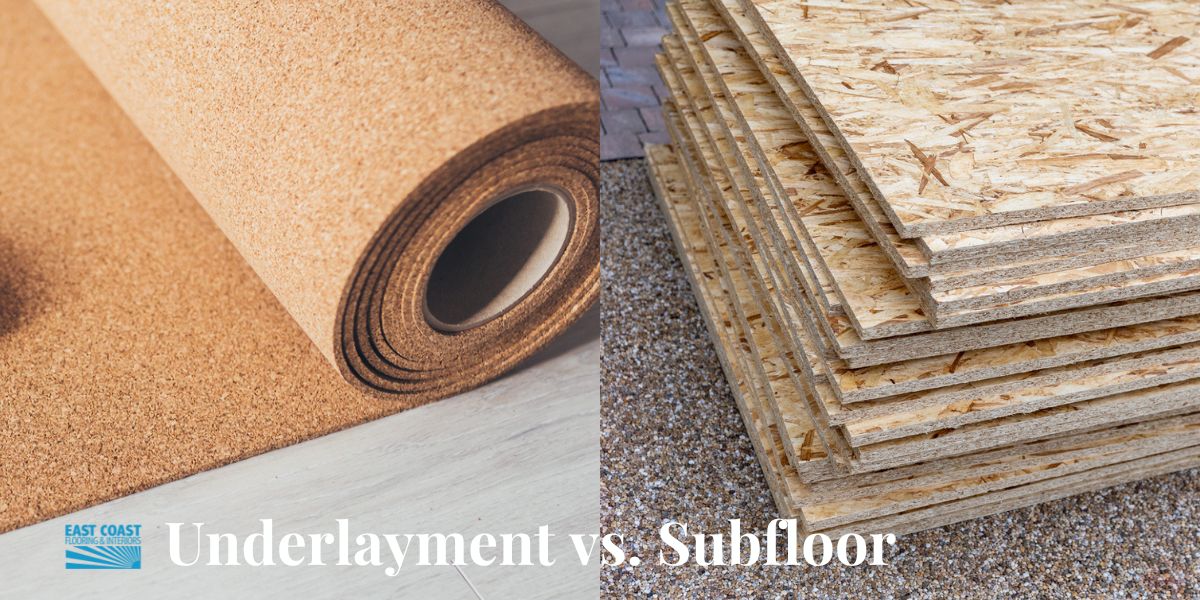
A split image graphic of underlayment vs subfloor displaying the two differences of layers of flooring.

Underlayment vs. Subfloor: What to Know for a Perfect Floor Prep

When it comes to floor installation, understanding the different layers of flooring is essential for achieving a durable, stable, and aesthetically pleasing result. Two critical components in this process are the subfloor and the underlayment. While they both play essential roles in floor preparation, they serve distinct purposes. This blog will delve into the differences
Read More

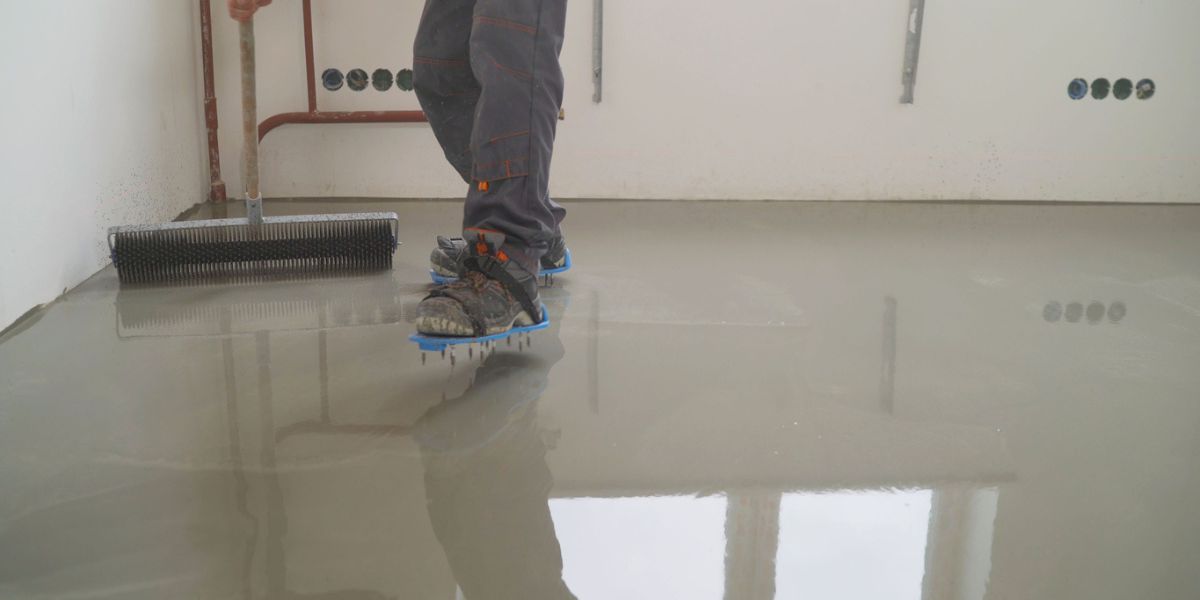
A floor installer professional installs concrete floor compound for new residential flooring.

Self-Leveling Concrete vs. Regular Concrete: Which Is Right for Your Floor?

If you’re staring at an uneven concrete floor trying to figure out how to fix it, you’ve probably come across two options that sound similar but really aren’t: self-leveling concrete and regular concrete. They behave in completely different ways once they’re mixed and poured, and knowing the difference between self leveling concrete vs regular concrete
Read More

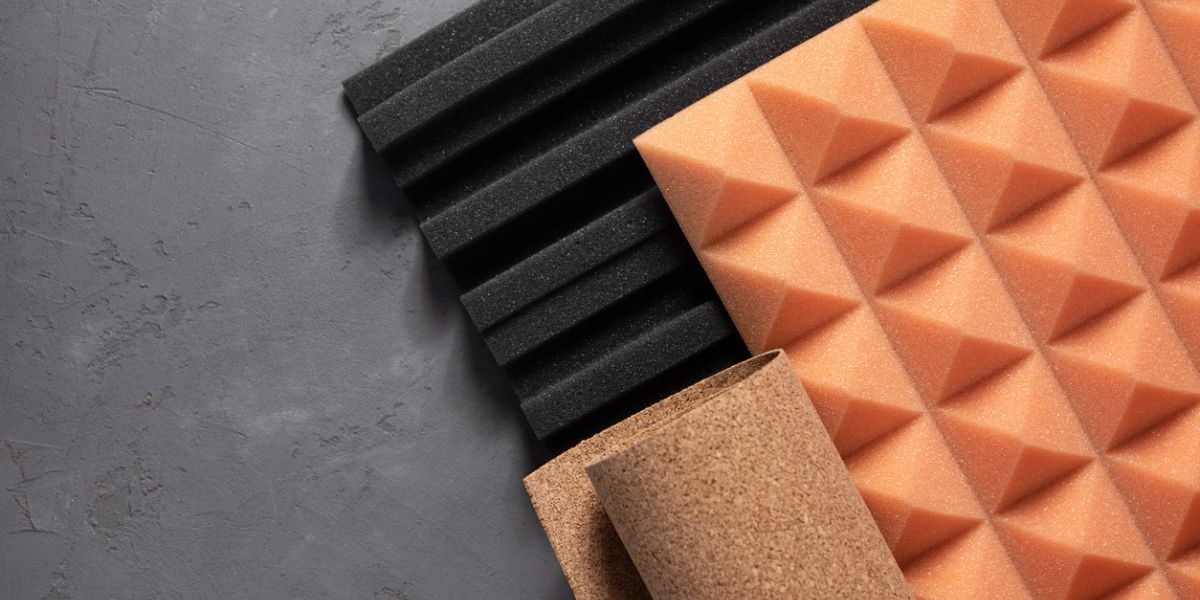
Three different types of sound insulation materials for commercial grade flooring.

Creating Tranquil Spaces: Sound Insulation Solutions for Commercial Grade Flooring

Noise control is a critical aspect of design in commercial environments such as hotels, office buildings, and multi-unit residences. Effective sound insulation between floors can enhance comfort and privacy, elevating the overall user experience. East Coast Flooring and Interiors specializes in commercial grade flooring that not only meets but exceeds industry standards for sound insulation.
Read More